
How Tottenham Lost Their Identity While Aston Villa Found Theirs
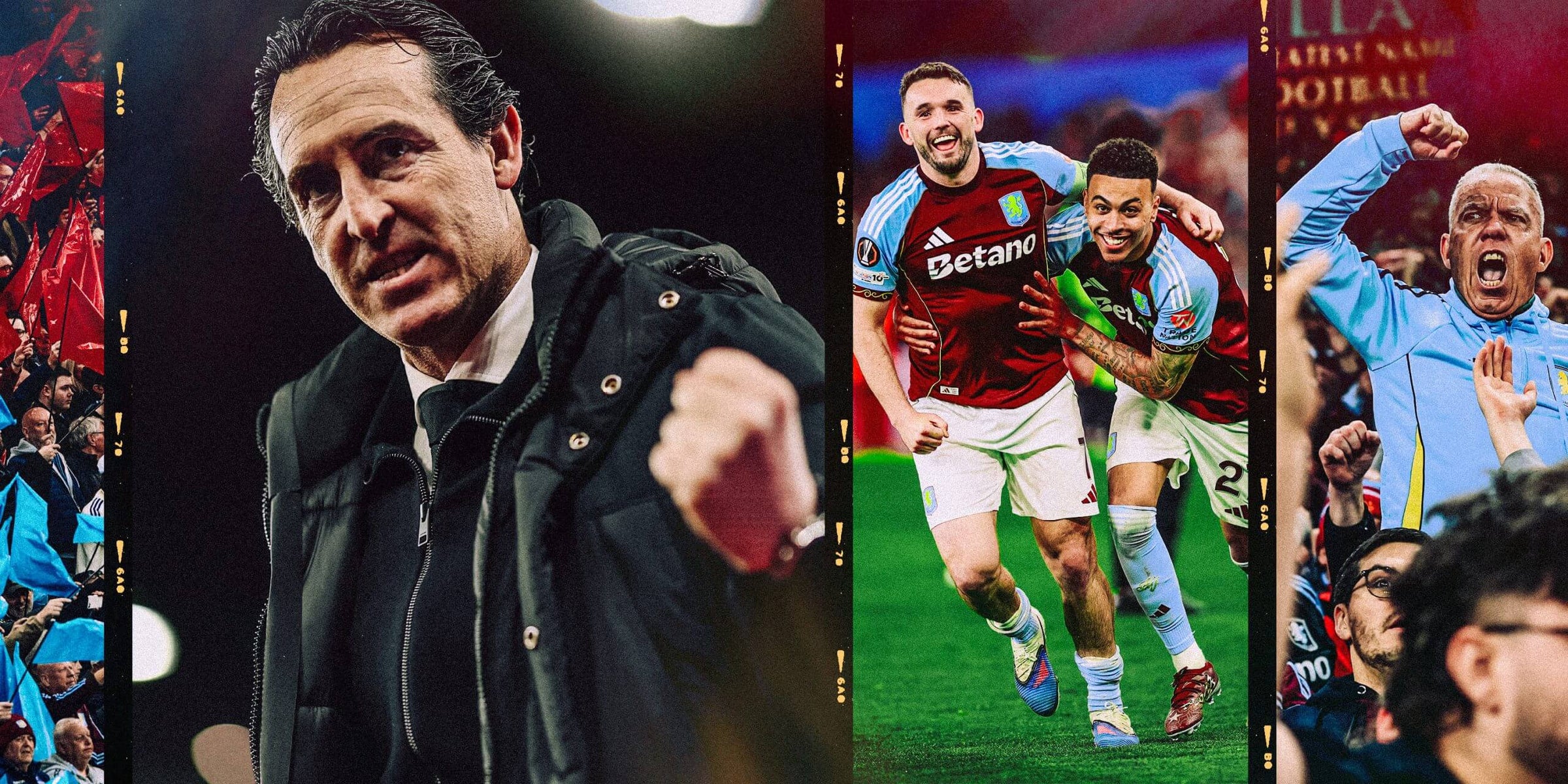
Tottenham were preparing for a Champions League final while securing UCL football through the league for the fourth consecutive season. Aston Villa were preparing for the Championship playoff final. Two completely different situations, yet both days became turning points for the future of each club.
Villa returned to the Premier League. Tottenham announced themselves as one of Europe’s elite, even in defeat, with a world class squad under Mauricio Pochettino.
What is telling now is how completely the trajectories of the two clubs have flipped over the last seven years.
Since Pochettino’s departure in 2019, Tottenham have had nine managerial stints including interim periods. There has been no long term vision, no stability, and no direction.
Meanwhile, from 2020 to 2022 after returning to the Premier League, Aston Villa were quietly laying the foundations for something bigger.
They recruited intelligently and built a squad with balance, character, and long term planning in mind. Emiliano Martínez, Ollie Watkins, Emiliano Buendía and others arrived as part of a project that was slowly preparing Villa to take the next step as a club. Even before Unai Emery arrived, there was already a structure and ambition being put into place behind the scenes, something Tottenham have lacked for the last seven years.
Then in 2022, with Villa sitting 16th in the table, they presented a genuine project to Unai Emery. He was a manager with a resume far beyond the level Villa were at the time. It included four European trophies, league titles in France, and domestic success in Spain.
How did they convince him? Through three things Tottenham have lacked since the 2019 Champions League final: competence, ambition, and direction.
Emery transformed Villa immediately. In half a season he took them from 16th into Europe. The following year they qualified for the Champions League, finishing above Tottenham in the process. Then came a Champions League quarter final, Europa League qualification through the league, and now another return to the Champions League alongside a European trophy this season, the fifth European title of Emery’s managerial career.
But Villa’s rise is not solely about Emery. It is about the structure around him: the board, recruitment, sporting direction, coaching staff, and players. In virtually every department, Villa are now operating above Tottenham. The clearest example of the gulf in ambition and competence? Tottenham eventually hired the same director of football Villa dismissed because Villa’s ownership refused to accept mediocrity.
Villa also lost their best player in 2021, yet their trajectory never collapsed. Why? Because they had the ambition and planning to rebuild properly, replacing an individual with a stronger collective, smarter recruitment, and a long term vision.
Tottenham lost Harry Kane in 2023 and instead of rebuilding intelligently, the club regressed further. Despite spending heavily, Tottenham now possess one of the weakest attacks in the league and have built a squad around players who often lack mentality, character, leadership, football IQ, consistency, and in many cases, the quality required at the top level.
Ironically, the closest Tottenham came to rediscovering an identity post Pochettino was under Ange Postecoglou. He became Tottenham’s longest serving manager since Pochettino and the first manager since him to actually complete a full Premier League season without being sacked. Mourinho, Conte, Nuno, and Thomas Frank all failed to complete a full 38 game league season before being dismissed.
For all his flaws, Ange restored something Tottenham had lost for years: identity. He brought an aggressive style of play, reconnected the supporters with the team, and created a bond with both the players and fans that had been absent for years. Most importantly, he delivered Tottenham’s first major trophy in over 17 years.
Yet despite finally bringing silverware back to the club, he was dismissed because of poor domestic league results in a season where Tottenham had effectively been mathematically safe from relegation for months and clearly prioritized the European run through squad rotation and resting players.
That decision did not just set Tottenham back tactically or structurally, it damaged the culture of the club once again. It sent the message that even when a manager finally wins something, he is still disposable. You finally build a winning mentality and then immediately remove the man who delivered it.
That, more than anything, sums up Tottenham under this ownership and board.
Seven years on, the situations have completely reversed. Aston Villa are now an example of what ambitious European football clubs should strive to become. They are well run, ambitious, competitive, and emotionally connected to their supporters.
Tottenham, meanwhile, look directionless. The identity, atmosphere, character, and connection between club and fans feels dead. The club no longer resembles the Tottenham many supporters fell in love with.
This decline is not the fault of one manager or one season. It is the result of years of poor decision making and structural incompetence. ENIC, Levy, Vinai, Lange, and all the players carry responsibility for where the club has ended up.
There is no quick fix anymore. This is not a small rebuild. In my opinion it is open heart surgery.
All Tottenham supporters, including myself, want their club back. But the Tottenham that once existed will not return until the people responsible for this decline are no longer leading it.