
Why Mastercard’s McLaren Deal Shows Where Formula One Sponsorship Is Heading
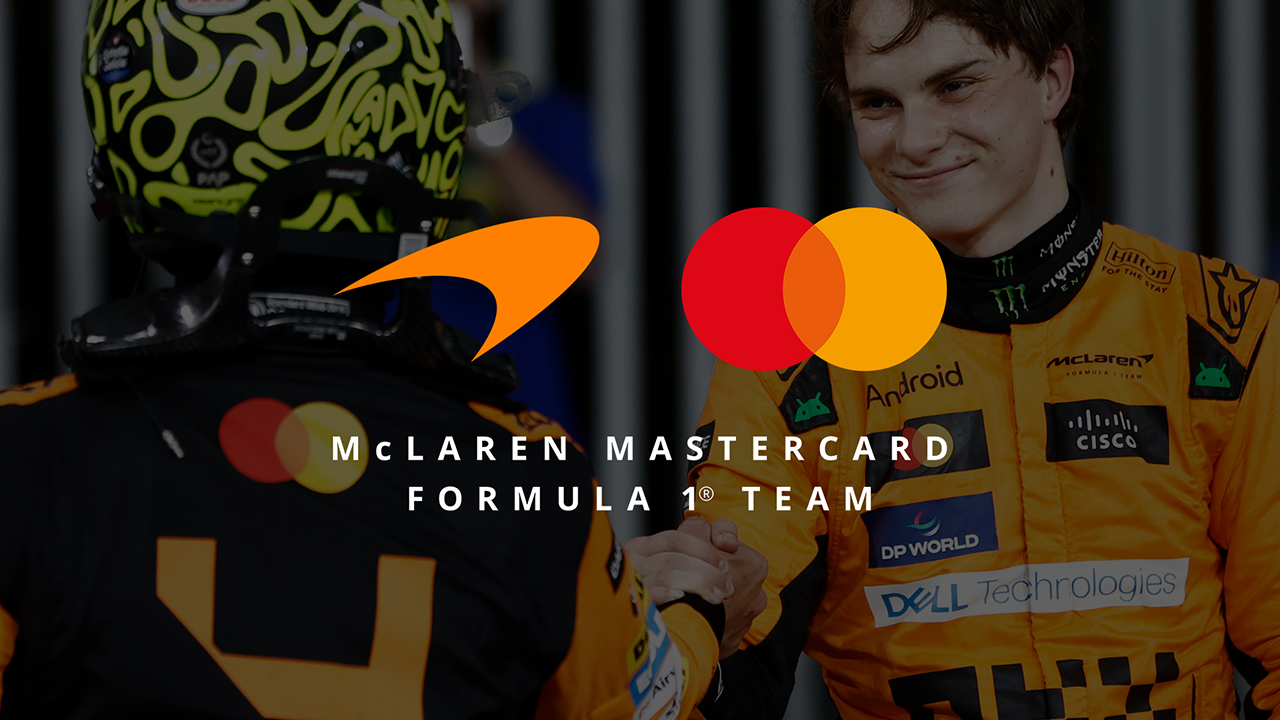
Earlier this year, McLaren secured one of the biggest commercial deals in Formula One by agreeing a naming rights partnership with Mastercard.
Since the start of 2026, the team has competed as the McLaren Mastercard Formula 1 Team in what is reportedly the largest title sponsorship deal on the current Formula One grid and the biggest commercial agreement in McLaren’s history.
Looking back at the deal now, halfway through the season, what stands out to me is that its significance goes far beyond simply attaching the Mastercard name to one of the most successful teams in the sport.
In my opinion, it reflects a much wider shift in how major brands are approaching sports sponsorship.
Why McLaren?
From Mastercard’s perspective, McLaren was an obvious partner to target on the grid. Over the last couple of years, the team had returned to the very top of Formula One, becoming Constructors’ Champion, while Lando Norris also became World Drivers’ Champion.
That recent success gave Mastercard the opportunity to associate itself with one of the strongest and most visible teams on the grid. But I think the attraction goes far beyond performance.
Formula One has become one of the fastest-growing sports properties in the world, with its global audience expanding significantly in recent years.
Part of that growth has come from the sport’s expansion into major commercial markets such as the United States, while shows such as Drive to Survive have helped introduce Formula One to an entirely new generation of fans.
The demographic of the sport has also evolved. Formula One is attracting younger audiences and a growing number of female fans, which makes the sport increasingly valuable to major consumer brands such as Mastercard.
For Mastercard, this partnership therefore gives the company access not just to McLaren fans, but also to a much broader global audience that is becoming younger, more diverse and increasingly engaged with the sport.
From Sponsorship to Experience
What I find most interesting about the deal is the way Mastercard is choosing to activate the partnership. Traditional sports sponsorship has often revolved heavily around visibility. Typically, brands put their logo on the car, place their branding around the circuit’s advertising boards and generate television exposure. But Mastercard is trying to go much further than that.
Through initiatives such as Team Priceless, the brand wants to create experiences for fans that include behind-the-scenes access, hot laps, driver meet-ups and curated activities connected to the culture of different host cities.
To me, that is where the partnership becomes much more interesting.
Instead of Mastercard simply becoming another logo associated with McLaren, the company is trying to become part of the experiences that fans associate with following the team. That creates a much stronger emotional connection.
A fan may not remember every sponsor they see on a Formula One car, but they are far more likely to remember being given access to a McLaren garage, experiencing a hot lap or meeting one of the team’s drivers.
A Reflection of How Sports Sponsorship Is Changing
Looking back at the deal, I think it is a strong example of how sports sponsorship is evolving. The most sophisticated brands are increasingly moving away from simply asking: How much visibility can this sponsorship give us?
Instead, they are asking: How can this partnership create an experience that consumers associate with our brand?
That is why experiential marketing has become so important in modern sports marketing. Mastercard already has a strong brand identity built around the idea of “Priceless” experiences, and Formula One gives the company a natural platform to bring that concept to life.
At the same time, McLaren benefits from having a global partner capable of creating new fan experiences and strengthening the team’s connection with supporters around the world.
That is where I think the real brand synergy lies.
More Than a Naming Rights Deal
Financially, the partnership is clearly a major win for McLaren. But in my opinion, the wider significance of the deal goes far beyond simply providing a major financial injection for the team.
In conclusion, it shows how valuable Formula One teams have become as global marketing platforms and how quickly sponsorship strategies within the sport are changing.
Mastercard is not simply paying to have its name attached to McLaren. It is buying access to the team’s global fanbase, its recent success, its cultural relevance and the emotions surrounding the Formula One experience.